
"You turned black from surfing, who will you marry?" - Fatema Akhter
97 Repoter: 97admin
Publish : 1 hour agoUpdate: 1 second ago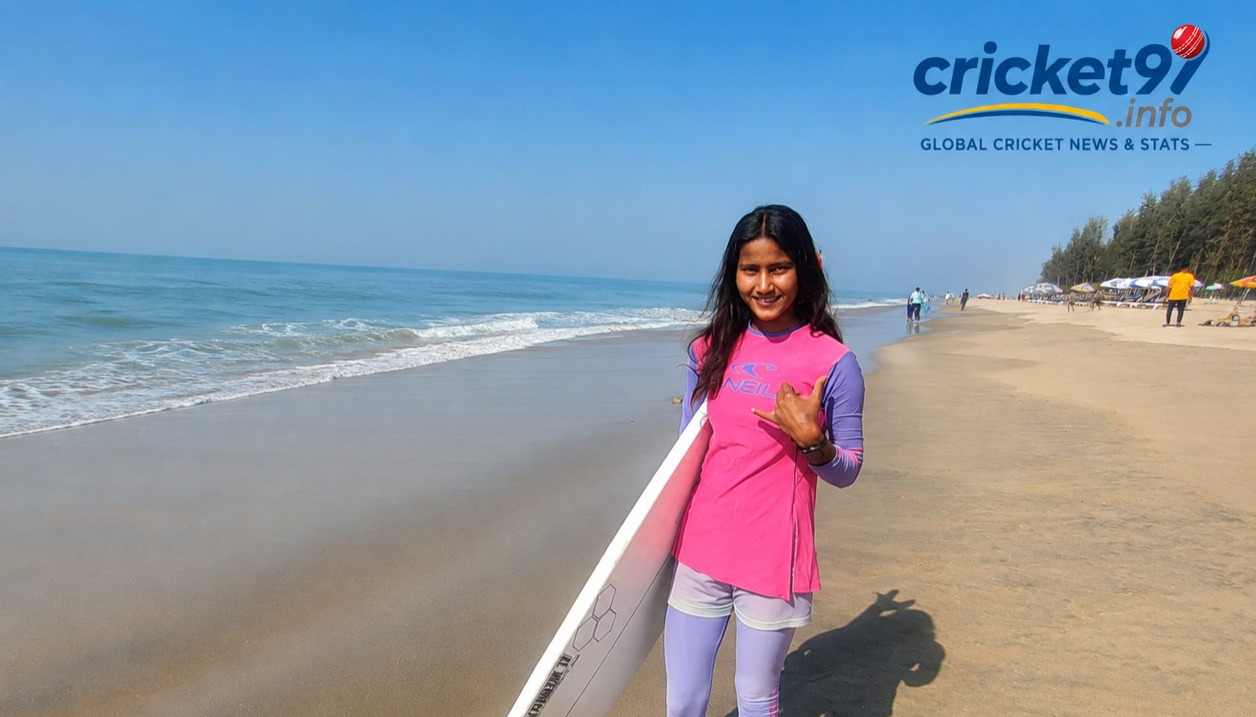
"You turned black from surfing, who will you marry?" - Fatema Akhter
"You turned black from surfing, who will you marry?" - Fatema Akhter
Fatema Akhtar of Bangladesh is now on the path to history after crossing the waves of Laboni Beach in Cox's Bazar. She is going to participate in the Asian Games to be held in Aichi Nagoya, Japan as the country's first female surfer. The dream she has built by fighting with waves since childhood is now taking her to the biggest sports stage in Asia. This journey of Fatema is not only her personal achievement, but also the beginning of a new chapter for women's surfing in the country. The 16-year-old surfer spoke to T-Sports about her preparations for the Asian Games, dreams, challenges and her own goals.
T-Sports: This is her first time participating in the Asian Games. How did you feel when you heard that you were going to Japan?
Fatema Akhtar: I could not even dream that I would go to Japan. When I heard, I was very happy. My family is also very happy. I feel that I will be able to take surfing further through this. However, one thing feels bad - the one who taught us surfing, our coach (Rashed Alam), is not able to go to Japan. We still don't know for sure whether the lifeguard will go or not.
T-Sports: How did you start surfing?
Fatema Akhter: Before, I didn't even know what surfing was. I've been to the beach, but I haven't seen surfing. I was studying. Some of our friends used to go to the beach every day and sell oysters. I would ask, where do you go every day? They would say, we go surfing. I would want to know, what are these? They would say, if you go with us, you can see them. One day, I secretly went surfing with them.
T-Sports: What was the next story like?
Fatema Akhter: When I first got into the water, I was very scared. My friends said that it would be scary the first time, and we were scared too. Later, when I came home, my mother asked me where I went. At first, I didn't tell her. Later, when I told her that I was going surfing, my mother asked what these were, where should I go. She said, what would people say if I go to the beach? After saying all this, I didn't go surfing for about a week. Later, I started surfing again after telling my mother, and the coach came and convinced my mother.
T-Sports: Who else is there in your family besides my mother?
Fatema Akhter: I don't have a father. We are three sisters and one brother.
T-Sports: What class were you in then?
Fatema Akhter: In 2020, I was in class three. Now I'm in a class.
T-Sports: When you were in class three, did you go into the sea? Wasn't your fear working?
Fatema Akhter: I was very scared. I cried. After falling into the water, the surfboard was on my head. I cried and didn't want to get out. Later, my friends encouraged me and I got into the water again. There were about 10-12 of us girls at that time. Everyone was surfing well.
T-Sports: Where did surfing start?
Fatema Akhter: On the beach. We used to come to the club. We would be taken to the water from the club. We would surf at Laboni Point.
T-Sports: Did you know how to swim before you started surfing?
Fatema Akhter: No, I didn't know how to swim. At first, I was scared to get into the water. Later, I learned how to swim. Before surfing, everyone was taught to swim at the club. Now we can swim.
T-Sports: When did you get over your initial fear and gain confidence?
Fatema Akhter: When I could stand up with a surfboard by myself, my confidence started to grow. Then I started going to the middle of the ocean with everyone. Later, I was given a good surfboard. Then I started to like it more. I didn't dream much about surfing before. Because I didn't know that surfing was such a big sport. Later, I learned more about surfing when I went to India.
T-Sports: Have you ever heard negative things from people about surfing?
Fatema Akhter: Yes, I heard a lot of things. Many people would say, ‘You’ve turned black, who will marry you?’ They would also say, why do girls go surfing, it’s okay if boys go. I heard a lot of these things. People in society would also say these things to my mother. Many people at school would say, ‘You’ve turned black, why are you doing this?’ I would keep quiet. Because they don’t know what surfing is.
T-Sports: Since when did you get family support?
Fatema Akhter: I don’t have a father. My father died when I was young. I never saw my father. My mother works at home and runs our family. At one point, I wanted to give up surfing. Because it was not possible for our family to bear so many expenses. We are three sisters, and I have a brother too. At that time, Rashed Bhai went to my house and said that he would bear my education expenses and necessary expenses. He would also pay for my travel expenses from the club to my home. We used to surf together with a few girls. Among them was Mili. Now many of them are married.
T-Sports: Now you are going to the Asian Games. How do you feel now that you have overcome the social barriers that were there once?
Fatema Akhter: I don't think about these things anymore. I used to think about turning black, what people would say—I used to think about these things. Later, when I had a dream that I would grow up, move forward with surfing, that surfing would be as important as other sports one day, I no longer think about these things. I don't worry about my skin color, who I am—anything else.
T-Sports: How did you handle nutritious food and fitness issues as a player?
Fatema Akhter: Many times there was a problem with food. Sometimes I would come home without eating. I couldn't tell the coach about these things every day. We have many children, but even then, my brother would help as much as he could. We surf in the morning and afternoon, especially when there was no school. Then we go home and eat rice. Later, when Rashed Bhai offered to give me food packets and essentials from the market—rice, pulses, etc.—my mother let me go surfing.