

Trump Expands Iran Sanctions as Tehran Threatens Retaliation Amid Hormuz Tensions
97 Repoter: 97admin
Publish : 2 hours agoUpdate: 1 hour ago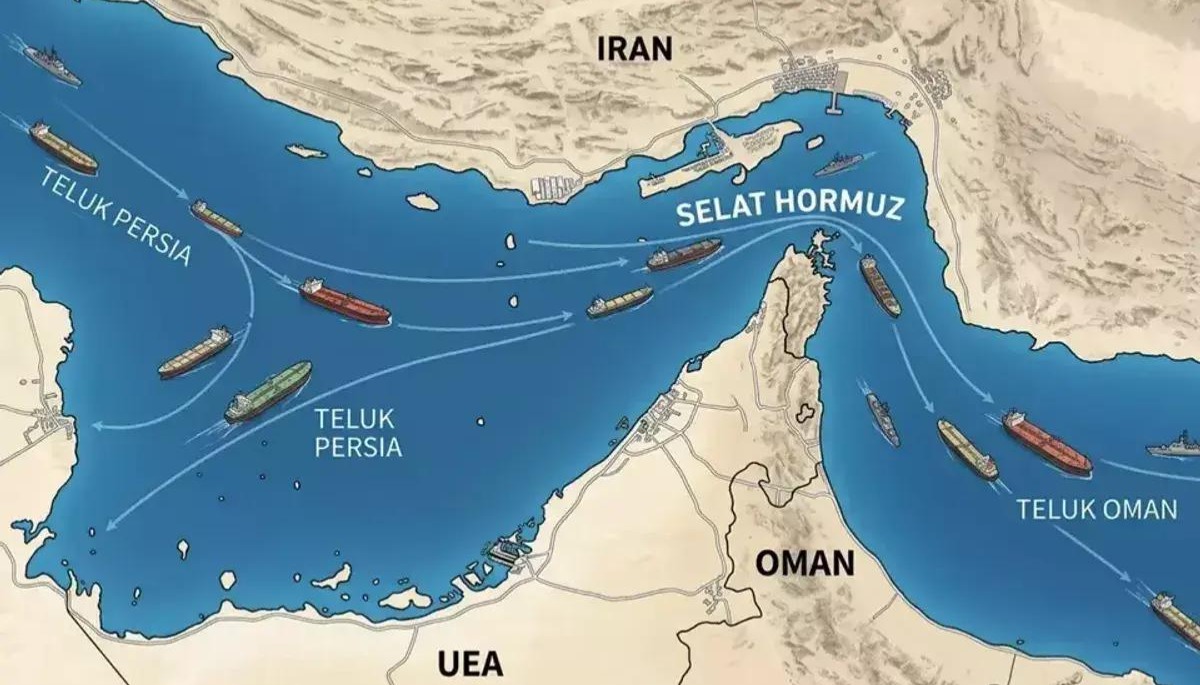
Trump Expands Iran Sanctions as Tehran Threatens Retaliation Amid Hormuz Tensions
Trump Expands Iran Sanctions as Tehran Threatens Retaliation Amid Hormuz Tensions
Tensions between the United States and Iran have intensified after the Trump administration expanded its sanctions campaign against Tehran, targeting individuals, companies and vessels linked to Iran's economy, oil trade, military programmes and international networks.
The latest US measures target nearly 60 Iran-linked individuals, entities and vessels, according to the US Treasury. The sanctions include networks connected to Iran's nuclear and ballistic missile programmes, oil sales and other activities Washington says threaten US national security.
The new campaign also expands pressure beyond Iran itself. Washington has introduced measures affecting international actors involved in trade with Tehran, with sanctions covering areas including cryptocurrency, technology, gold, aviation and shipping.
Tehran Warns of Retaliation
Iran has strongly rejected the latest American measures and warned that it is prepared to respond.
Iranian officials have described the sanctions as a violation of international law and said Tehran would take action if its infrastructure or national interests were threatened.
The latest escalation comes amid months of military, economic and diplomatic tensions between Washington and Tehran, with the crisis also affecting regional security and global energy markets.
Strait of Hormuz Becomes a Key Flashpoint
One of the biggest concerns is the Strait of Hormuz, a crucial global energy route connecting the Persian Gulf with the Gulf of Oman.
Iran and Oman are now discussing ways to improve maritime navigation through the strategic waterway. The two sides have proposed a temporary shipping corridor and cooperation on mine-clearing operations.
However, Iranian officials have stressed that the temporary arrangement should not be interpreted as a full reopening of the Strait of Hormuz.
Global Oil Markets Watching Closely
The situation around Hormuz has also created uncertainty in global energy markets.
Oil prices declined as renewed Iran-Oman discussions raised hopes that shipping conditions could improve. Brent crude settled around $88.58 a barrel, while WTI stood at around $82.36.
But continued disruption in the waterway means the global oil market remains vulnerable to further escalation.
China Adds Another Layer to the Crisis
China is another major factor in the latest developments. As one of Iran's biggest trading partners and oil buyers, Beijing could face pressure from Washington over economic ties with Tehran.
China has warned that it will take necessary measures if its interests are affected by the expanded US sanctions campaign.
That means the latest Iran crisis is no longer simply a dispute between Washington and Tehran. It now has wider implications for China-US relations, global oil markets, international shipping and Middle Eastern security.
For now, the biggest question is whether Trump's expanded sanctions will push Tehran back toward negotiations—or trigger another escalation in the region.
With sanctions tightening, Iran threatening retaliation and diplomacy continuing around the Strait of Hormuz, the world is watching closely for the next move from Washington and Tehran.