
From a Sandwich Bun to Mao Zedong: How Mbappe’s ‘Dictator’ Meme Sparked a China-Spain Storm
97 Repoter: 97 Admin
Publish : 2 hours agoUpdate: 14 minutes ago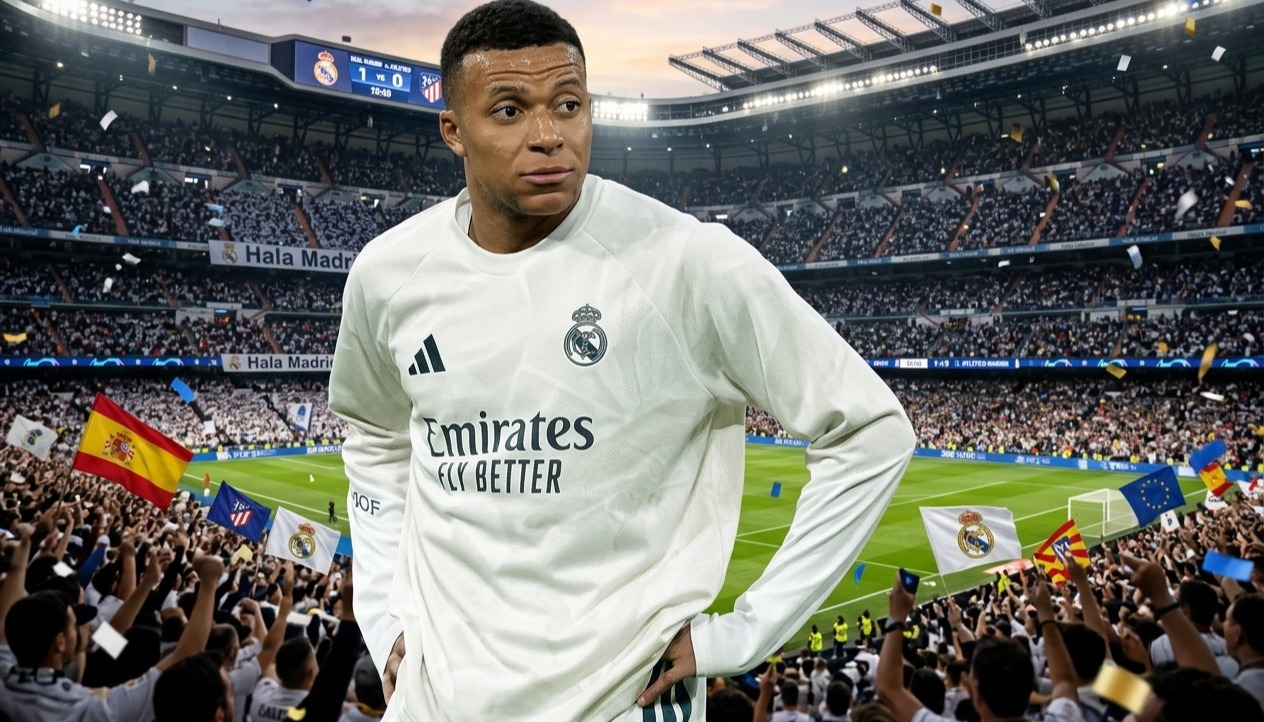
From a Sandwich Bun to Mao Zedong: How Mbappe’s ‘Dictator’ Meme Sparked a China-Spain Storm
From a Sandwich Bun to Mao Zedong: How Mbappe’s ‘Dictator’ Meme Sparked a China-Spain Storm
A round sandwich bun, a dispute involving a French food influencer and a joke on social media eventually created the “Dictator Mbappe” meme. Years later, that meme has turned into a major controversy involving Mao Zedong, Chinese sponsors, LaLiga broadcasts and even an apology from Real Madrid.
The controversy erupted after an old comment by Kylian Mbappe resurfaced online. The Real Madrid forward apologized, followed by LaLiga and then Real Madrid itself.
It Started With a Sandwich
The story of the “Dictator Mbappe” meme began in France in 2024.
Mohamed Henni, a Marseille-based influencer and food-shop owner, used Mbappe’s name while describing one of his sandwiches. He compared the round bun to the shape of the French footballer’s head.
Mbappe’s business interests objected to the use of his name. His representatives reportedly demanded that it be removed from the sandwich description and warned of legal action.
Henni reacted publicly, questioning whether such a minor matter justified legal threats from a football star. The episode eventually contributed to the “dictator” label being attached to Mbappe online.
From Football Power to the “Dictator” Meme
The sandwich dispute alone does not explain why the meme became so popular.
After Mbappe signed a new contract with Paris Saint-Germain in 2022, there was widespread discussion about his influence at the club. Reports suggested that his opinions carried significant weight in areas such as recruitment, coaching and the club’s future direction.
Fans and meme creators exaggerated that perception, portraying Mbappe as someone who controlled everything at his club.
His face was subsequently placed on images of military leaders, political figures and fictional dictators. Reuters has described the memes as largely satirical attempts to mock perceptions of Mbappe’s influence in football rather than expressions of support for political ideologies.
Mbappe Was Not Entirely Comfortable With the Meme
Interestingly, Mbappe himself had already expressed discomfort with some versions of the “Dictator Mbappe” meme.
In an interview with L’Équipe last month, he acknowledged that parts of the trend were funny but said comparisons with historical dictators were less amusing because of the damage those figures had caused.
That made his later comments about a Mao-related meme particularly controversial.

The Mao Zedong Connection
During an interview with the French football podcast The Bridge, Mbappe was asked about the funniest meme he had seen involving himself.
He described a video in which his face had been superimposed onto the body of “some guy—I think he’s a Chinese dictator.”
Mbappe did not mention Mao Zedong by name. However, the image shown in the video appeared to depict the former Chinese leader.
The video was later removed, but it resurfaced and spread widely on social media this week. Reuters said it could not independently authenticate the video, although Mbappe’s subsequent apology confirmed that he had made the comment.
Why Mao Is Such a Sensitive Figure in China
Mao Zedong remains an extremely sensitive historical figure in China.
He led the country from the establishment of the People’s Republic of China in 1949 until his death in 1976. While he remains a central figure in China’s official historical narrative, historians have also extensively documented the devastating consequences of policies carried out during his rule.
As a result, jokes or satire involving Mao can be particularly sensitive in China. What Mbappe viewed as a joke about a meme quickly took on a much more serious meaning among Chinese audiences.
Mbappe Apologizes
As the backlash intensified, Mbappe issued an apology in French, Chinese and English.
He said his comment during a recent interview had been “ill-judged” and that he now understood it had hurt many people in China and Chinese communities around the world.
Mbappe added that offending anyone had never been his intention and expressed deep respect for the Chinese people and their history.
Chinese Sponsors Cut Ties
Before the controversy could settle, the financial consequences began.
Chinese companies including Mengniu, Shanghai Milkground Food Tech and Eastroc Beverage announced that they were ending commercial cooperation with Mbappe.
The controversy also became a major topic on Chinese social media, with Mbappe facing widespread criticism.
LaLiga Broadcasts Caught in the Fallout
The controversy soon moved beyond Mbappe’s personal commercial deals.
Chinese broadcasters and platforms took action involving LaLiga coverage. Reuters reported that Migu would not broadcast Real Madrid’s upcoming LaLiga match, while reports also emerged that Chinese state television had suspended LaLiga broadcasts involving Mbappe.
That raised concerns not only for Mbappe but also for Spanish football’s commercial relationship with the Chinese market.
Real Madrid and LaLiga Also Apologize
LaLiga president Javier Tebas apologized to Chinese fans and emphasized that Mbappe’s comments were made in a personal capacity and did not represent the league.
Real Madrid subsequently issued its own apology on October 28, expressing regret for any discomfort caused by Mbappe’s remarks and stressing the club’s respect for China, its history, culture and people.

How a Meme Became an International Controversy
The story began with a joke about a sandwich. It evolved into a meme portraying Mbappe as a dictator because of perceptions about his influence in football.
Then one version of that meme incorporated the image of Mao Zedong.
Mbappe’s attempt to laugh about the meme eventually triggered a backlash in China, the loss of commercial partnerships, disruption to LaLiga broadcasts and public apologies from Mbappe, LaLiga and Real Madrid.
The “Dictator Mbappe” controversy is a striking example of how a football meme can move far beyond the pitch and become a major international commercial and cultural issue.